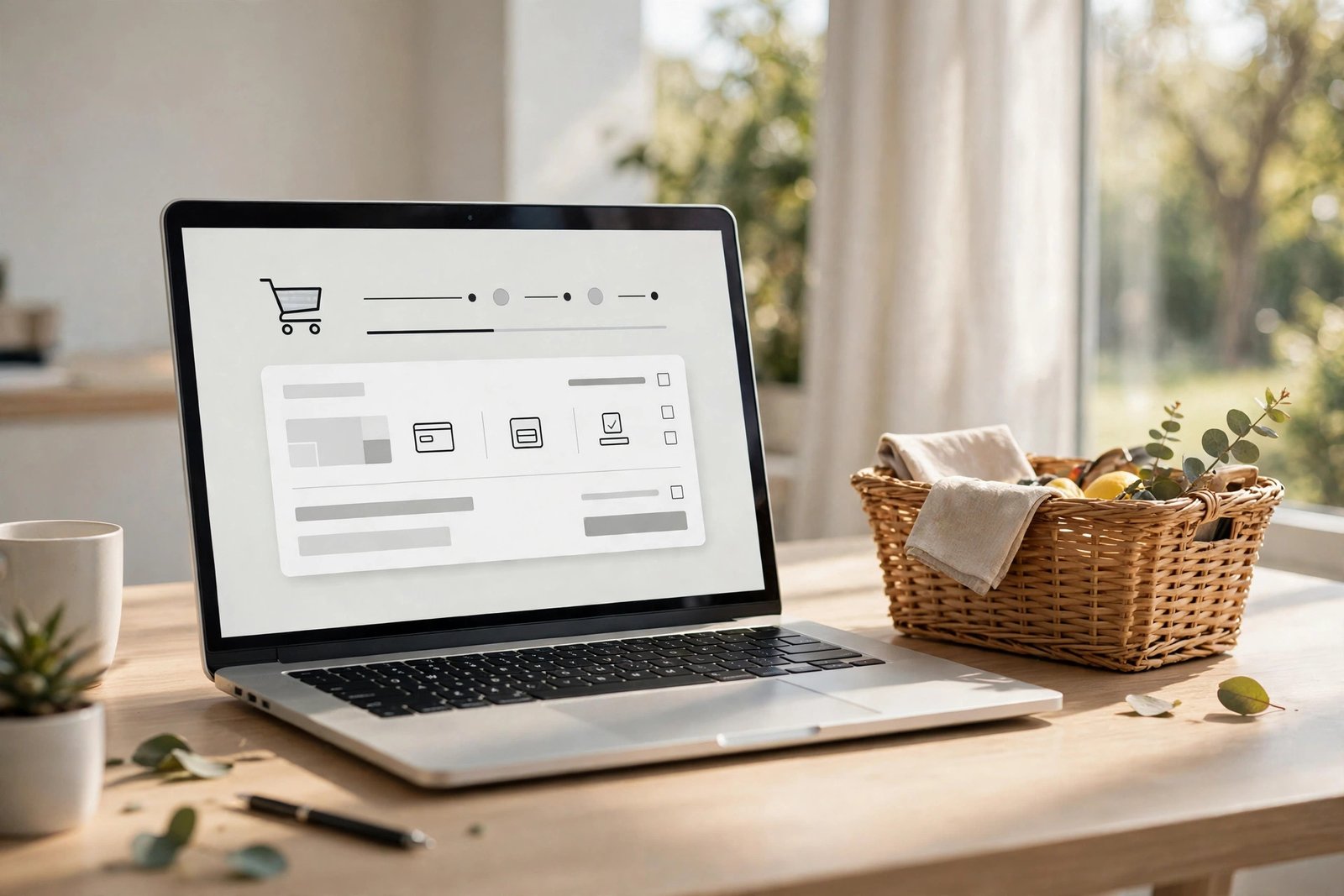
Almost every online store owner knows the feeling: a shopper spends time browsing, adds items to a cart, and then disappears. The sale felt close, and then it was gone. Abandoned carts are a normal part of online shopping, and they are also one of the most recoverable sources of revenue a small store has. The shoppers who abandon carts are not strangers — they are people who already found your store, liked something enough to add it to a cart, and only need a reason to finish.
This guide explains how abandoned cart recovery works for small stores: why shoppers leave, how to build a recovery sequence that brings them back, when discounts help and when they hurt, and which checkout fixes reduce abandonment in the first place. It is written for small store owners using common ecommerce platforms, and it focuses on practical steps rather than expensive tools.
Why shoppers abandon their carts
Shoppers abandon carts for many reasons, and most of them are not rejection of your products. Extra costs revealed at checkout — shipping, taxes, or fees — are a classic cause, because a price that looked attractive suddenly grows. A complicated checkout, forced account creation, limited payment options, or a slow mobile experience can all push a willing buyer away at the last step. Some shoppers are simply not ready: they are comparing options, saving items for later, or waiting until payday.
Understanding which reasons apply to your store is the first step to fixing them. Look at your checkout analytics if your platform provides them, and pay attention to where shoppers drop off. If many leave at the shipping step, your shipping costs or options may be the problem. If they leave at payment, your payment options or trust signals may need work. If they browse and add items but rarely reach checkout at all, your product pages or pricing may need attention before recovery emails can help much.
It is also worth accepting that some abandonment is unavoidable. Window shoppers, gift researchers, and people comparing prices will always leave carts behind. Recovery is about winning back the shoppers who were close to buying, not about converting every abandoned cart. A realistic recovery program still adds meaningful revenue over time, because it works on a stream of shoppers you have already attracted.
The recovery email sequence
The core of most recovery programs is a short sequence of emails sent after a shopper leaves items in a cart. The first email is usually a simple reminder, sent relatively soon after abandonment, that shows the items left behind and offers an easy way back to checkout. Its tone should be helpful, not pushy: a reminder that their items are waiting, with a clear link to complete the purchase.
A second email, sent later, can address common hesitations. This is a good place to answer questions shoppers often have: shipping times, return policies, product details, or customer support options. Including a few genuine customer reviews or a short product highlight can help a shopper who was uncertain feel more confident. Keep the message focused on the items they chose rather than turning it into a general promotion.
A third email, if you use one, can include an incentive, such as a discount or free shipping, for shoppers who still have not returned. Not every store needs three emails, and sending too many can annoy shoppers or train them to expect a discount. Test a shorter sequence first, watch your results, and add steps only when the data shows they help. Most small stores do well with two or three well-written messages rather than a long drip campaign.
Timing and tone that respect the shopper
Timing matters. A reminder sent within the first hour or two catches shoppers while the purchase is still fresh in their minds, and it often performs better than a message sent days later. Later messages can follow at wider intervals, giving shoppers time to decide without feeling chased. The exact timing that works best varies by product and audience, so treat published timing advice as a starting point and test what works for your own store.
Tone matters just as much. Recovery emails should sound like a helpful shopkeeper, not a desperate salesperson. Friendly subject lines that mention the specific item or the store name tend to work better than generic urgency. Avoid false urgency — claiming stock is almost gone when it is not — because shoppers notice, and the trust you lose costs more than the sale you gain. Honest, specific messages build the kind of relationship that brings shoppers back for a second order too.
Personalization goes beyond using a first name. Showing the actual items left in the cart, with images and prices, reminds the shopper what they wanted and makes returning effortless. A single clear button back to the cart beats a cluttered email full of unrelated products. If your platform supports it, make sure the cart link restores the shopper’s items rather than landing them on a generic homepage.
When discounts help, and when they hurt
Discounts are the most tempting recovery tool and the easiest to misuse. A well-timed discount can convert a hesitant shopper, especially for a first purchase or a higher-priced item. But if every abandoned cart triggers a discount, shoppers quickly learn to abandon carts on purpose and wait for the offer. That habit erodes your margins across all sales, not just recovered ones.
A safer approach is to reserve discounts for later messages in the sequence, after a plain reminder and a helpful follow-up have had their chance. Consider alternatives to a percentage discount: free shipping, a small gift with the order, or an extended return window. These incentives can feel generous without cutting directly into your product margin, and they are less likely to train shoppers to wait for a code.
Also consider who receives the discount. Offering an incentive to a first-time shopper is different from offering one to a repeat customer who was going to buy anyway. If your platform allows it, segment your recovery messages so that loyal customers get a thank-you tone and new shoppers get the nudge they need. Thoughtful targeting protects your margins and your relationships at the same time.
Beyond email: SMS and on-site reminders
Email is the most common recovery channel, but it is not the only one. Text message reminders can work well when shoppers have explicitly opted in to receive them, because texts are read quickly. The rules for SMS marketing are strict, however: shoppers must consent, messages must identify the sender, and opting out must be easy. Never send marketing texts to shoppers who have not agreed to receive them.
On-site reminders help too. When a returning shopper sees their cart still waiting, with the items intact, the path back to purchase is short. Make sure your store preserves carts for returning visitors where possible, and that the cart is easy to find on mobile as well as desktop. A shopper who returns on a phone should not have to hunt for the cart they built on a laptop.
Retargeting advertisements are another option for larger stores, but they require care with privacy rules and budgets. For most small stores, a strong email sequence plus a smooth checkout will recover more sales per dollar than a broad advertising campaign aimed at cart abandoners.
Fix the checkout, not just the follow-up
Recovery emails treat the symptom; checkout improvements treat the cause. Start with the most common friction points. Show shipping costs early, before the final step, so shoppers are not surprised. Offer guest checkout alongside account creation, so a first-time buyer is not forced to create an account. Provide the payment methods your customers actually use, and make sure the checkout works smoothly on mobile devices, where a large share of shopping now happens.
Trust signals matter at checkout. Clear return policies, secure checkout indicators, contact information, and genuine reviews all reassure shoppers who are about to enter payment details. If your store is new, these signals matter even more, because shoppers have no track record to rely on. A checkout page that looks professional and transparent converts better than one that hides its policies until after purchase.
Speed is a quiet conversion factor. Slow pages, especially on mobile, cause shoppers to leave before they ever reach payment. Compress images, remove unnecessary checkout steps, and test the full purchase path yourself on a phone regularly. A checkout you have never tested as a customer is a checkout you cannot be sure works.
Measuring what works
Recovery programs should be measured, not assumed. Track how many abandoned carts you recover, how many recovery emails are opened and clicked, and how much revenue the sequence generates. Compare those results with your overall sales so you can see whether recovery is genuinely adding revenue or mostly shifting purchases that would have happened anyway.
Test one change at a time: a subject line, an email’s timing, a discount offer, or a checkout step. When you change several things at once, you cannot tell which one made the difference. Small, steady tests over weeks will teach you more about your shoppers than a single dramatic overhaul. Keep notes on what you tested and what happened, so the knowledge stays with the business rather than disappearing when a busy week passes.
Respect your shoppers’ inboxes as you measure. If unsubscribe rates rise or spam complaints appear, your sequence is too frequent or too aggressive, whatever the sales numbers say. A recovery program that damages your sender reputation will hurt every email you send, not just the recovery ones.
Frequently Asked Questions
How many recovery emails should I send?
Most small stores do well with two or three: a prompt reminder, a helpful follow-up, and optionally an incentive message. More than that risks annoying shoppers. Test a short sequence first and add steps only when results justify them.
Should I always offer a discount to recover a cart?
No. Start with reminders and helpful information, and reserve discounts for later messages or first-time shoppers. Constant discounting trains shoppers to abandon carts deliberately and erodes your margins.
Do I need expensive software for cart recovery?
Not to start. Most ecommerce platforms include basic abandoned cart emails, and many email tools offer recovery sequences at modest cost. Begin with your platform’s built-in tools, and upgrade only when your volume or needs outgrow them.
What if shoppers abandon because of shipping costs?
Show shipping costs early, consider a free-shipping threshold for orders above a certain value, and explain shipping times clearly. Shoppers accept shipping costs far more readily when they see them early than when they appear as a surprise at checkout.