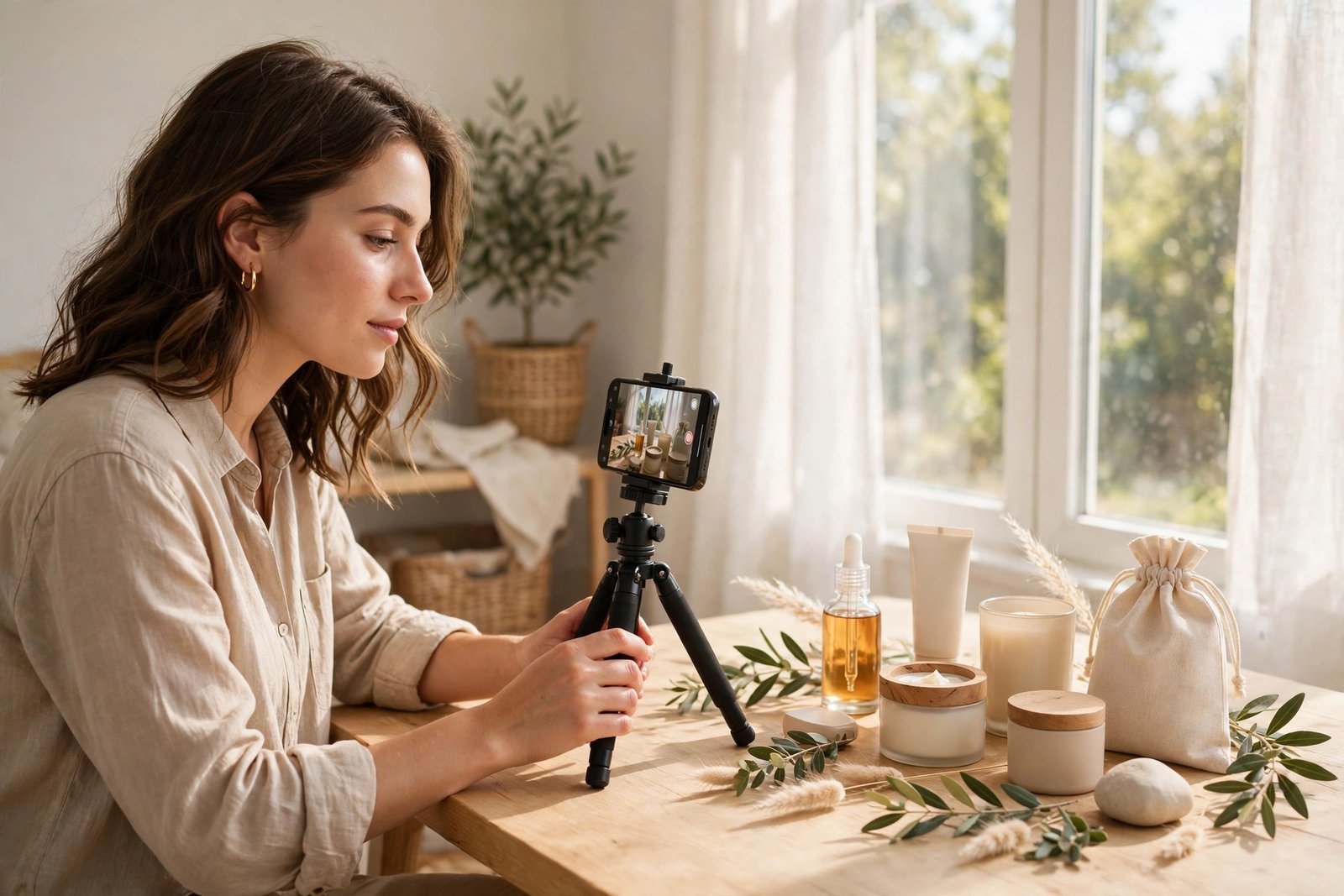
TikTok Shop has quietly become one of the most practical ways for creators to earn money in 2026. Unlike brand deals that depend on landing a sponsor, or ad revenue that depends on millions of views, TikTok Shop lets a creator earn a commission every time a viewer buys a product through their video or livestream. No warehouse, no inventory, no shipping labels, just content that sells.
That simplicity is real, but so are the limits. Commissions vary widely by product, returns can claw back earnings, and getting approved requires meeting TikTok’s eligibility rules. This guide explains how creators actually earn on TikTok Shop, what the money looks like in practice, and how to build a Shop income stream without turning your account into a nonstop infomercial.
Platform rules and commission structures change, so treat the figures here as a current snapshot from published guides and check TikTok’s own creator resources before you plan around them.
How TikTok Shop Creator Earnings Work
The core model is affiliate commission. A seller lists a product on TikTok Shop and sets a commission rate for creators who promote it. You, the creator, add the product to your showcase or tag it in a video or livestream. When a viewer buys through your content, TikTok attributes the sale to you and you earn the agreed commission on that order.
There are two main ways to collaborate. Open Collaboration lets any eligible creator promote a product at the public rate the seller sets, which published guides commonly describe as being in the range of around 10 to 15 percent for many products. Targeted Collaboration is invite-only and negotiated one to one, and guides report that rates for sought-after creators can run considerably higher. The seller sets the rate either way, so choosing products is partly choosing pay rates.
One detail that surprises new creators: commission is tied to completed orders, not clicks or views. If an order is canceled or fully refunded, it earns no commission, and returns inside the settlement window can reduce what you are paid. That is why honest, accurate product content matters more than hype; a product that gets returned a lot is a product that does not pay.
Eligibility: Who Can Join
For US creators, the standard route into the Shop affiliate program generally requires being at least 18 years old, having at least 5,000 followers, and having posted a public video in the last 28 days, alongside identity verification and account requirements. Creators below that threshold may access targeted brand deals or pilot programs in some cases, but the standard open marketplace access sits at the 5,000-follower level in published guidance.
Meeting the follower number alone does not guarantee approval if your recent content has low views or engagement, and accounts must stay in good standing with TikTok’s policies. If you are still growing toward eligibility, the best preparation is exactly what grows any account: consistent posting in a clear niche, videos that hold attention, and an audience that trusts your recommendations.
Once eligible, you apply through the TikTok Shop Creator Center, verify your identity, and connect a payout method. From there you can browse the product marketplace, request samples from sellers, and add products to your showcase.
When and How You Get Paid
Payment timing is one of the most misunderstood parts of TikTok Shop. Commission does not arrive the moment a sale happens. After an order is delivered, it sits in a pending or unsettled state for a settlement window, commonly around 14 to 15 days, to account for returns and disputes. Only then does it clear to your creator wallet, from which you withdraw to your bank account.
That delay has practical consequences. Your first month’s content will not produce withdrawable cash for weeks, and a spike in sales this week shows up as income later. Plan your cash flow around the settlement lag, and do not spend commission before it settles, because returns can still reduce it.
Withdrawal mechanics, minimums, and schedules are shown in your creator account and can vary, so check the current terms inside the Creator Center rather than assuming a figure from a guide. Keep records of every payout, because Shop income is business income for tax purposes, and you will need clean records at year-end. A guide to how creators get paid on TikTok Shop walks through the settlement flow step by step, and this affiliate program guide covers rates, collaboration types, and payout timing in detail.
How Much Can Creators Realistically Earn?
This is where honesty matters. Published guides report a wide range of commission rates, often roughly 2 to 20 percent depending on category, with beauty and supplements at the higher end and electronics at the lower end, and one 2026 benchmark putting the average US commission rate near 13 percent. Those are rates, not income. Income depends on how many viewers buy, which depends on trust, product fit, and volume.
Think about it in concrete terms. If you promote a product with a 15 percent commission and it sells for a modest price, each sale earns you a few dollars. To earn a meaningful monthly income from Shop alone, you need either a high volume of sales, higher-priced products with good commissions, or a loyal audience that buys repeatedly. Top affiliates can earn thousands of dollars a month from a single brand, but published guides are clear that this is exceptional, and many beginners earn little or nothing in their first months.
The realistic path is to treat Shop as one income stream among several, alongside brand deals, platform creator programs, and your own products. Creators who do best on Shop usually have a clear niche, promote products they genuinely use, and publish consistently rather than chasing one viral video.
Choosing Products That Actually Sell
Product selection is the skill that separates Shop creators who earn from those who just post links. Look for these qualities:
- Fit with your niche: a skincare creator selling kitchen gadgets confuses the audience that followed for skincare.
- Demonstrable value: products that show a visible result in under a minute tend to convert best on short video.
- Fair commission for the effort: a product that needs a full tutorial to sell should pay more than one that sells itself in five seconds.
- Seller reliability: check reviews, shipping performance, and return behavior before you stake your reputation on a product.
- Repeat purchase potential: consumables and refills can produce repeat orders from the same audience.
Request samples whenever you can. Filming a product you have actually held, used, and tested is visibly different from reading a listing aloud, and your audience can tell. It also protects you from promoting something that arrives broken, misdescribed, or nothing like its listing.
Content That Sells Without Feeling Like an Ad
The best Shop content rarely looks like a commercial. It looks like a creator solving a problem, showing a routine, or answering a question, with a product naturally in the frame. A morning routine video that happens to use a product beats a thirty-second pitch that lists features nobody asked about.
A few formats work reliably. Before-and-after demonstrations show a real change. Routine and get-ready-with-me videos integrate products into habits viewers already want to copy. Honest first-impression and week-later follow-up videos build trust, especially when you mention a drawback alongside the benefit. Livestreams add urgency and let viewers ask questions in real time, which is why many Shop creators treat LIVE sessions as their highest-converting format.
Whatever the format, keep the hook in the first few seconds. Viewers decide almost instantly whether to keep watching, and a slow setup loses them before the product ever appears. State the benefit early, show it quickly, and put the product link where viewers can find it without hunting.
Disclosure, Trust, and Account Safety
Always disclose that a video contains a paid or affiliate promotion, using TikTok’s disclosure tools and clear language in the video or caption. Disclosure is not just a legal expectation in the United States; it is also a trust strategy. Audiences forgive a creator for earning a commission. They do not forgive feeling tricked into a purchase.
Avoid the shortcuts that get accounts in trouble: misleading claims about what a product does, fake before-and-after results, hidden affiliate links, and promoting products you have never tried as if you use them daily. One misleading video can cost you more in lost trust and account standing than a month of commissions is worth.
Also keep your content mix healthy. If every video becomes a sales pitch, engagement usually falls, and falling engagement hurts the reach of everything you post, including the Shop videos. A sustainable mix for many creators is mostly value content in their niche, with Shop products woven into a minority of posts and livestreams.
Growing Beyond Affiliate Commissions
Affiliate commission is the entry point, not the ceiling. As your Shop audience grows, several paths open up. Sellers may offer you targeted collaborations with higher negotiated rates. Brands may approach you for flat-fee sponsored content on top of commission. And some creators eventually launch their own products, using the audience and selling skills they built as affiliates.
Each step up requires the same foundation: an audience that trusts you, a track record of honest product content, and data showing that your videos actually move products. Track which products and formats convert, not just which videos get views, and double down on what sells while staying inside your niche.
For a detailed look at commission rates by category and how sellers set them, this commission rates guide is a useful reference. Compare its ranges with the rates you see in the marketplace for your own category, because the rate a seller actually offers you is the only one that matters.
Related reading
Frequently Asked Questions
How many followers do I need for TikTok Shop?
Published guidance for US creators puts standard open marketplace access at 5,000 followers, along with being 18 or older, having posted a public video in the last 28 days, and meeting identity and account requirements. Creators below that level may access targeted deals or pilot programs in some cases. Check the current rules in the TikTok Shop Creator Center, because eligibility rules can change.
Do TikTok Shop creators need to buy inventory?
No. As an affiliate creator, you promote products listed by sellers, and the seller handles inventory, shipping, and customer service. You earn a commission on sales made through your content. You only handle inventory if you choose to become a seller yourself.
How long does it take to get paid on TikTok Shop?
Commission typically settles around 14 to 15 days after delivery, to allow for returns and disputes, and only then becomes available to withdraw. Bank arrival is a separate step after withdrawal, so plan for a lag between a sale and cash in your account.
What happens if a customer returns a product I promoted?
Commission on a canceled or fully refunded order is not earned, and returns inside the settlement window can reduce your pending commission. This is why promoting reliable products with honest descriptions matters: high return rates directly reduce your income.
Can I earn on TikTok Shop without showing my face?
Yes, although it is harder in some niches. Faceless formats such as hands-only demonstrations, voiceover tutorials, and product-only videos can work, especially for gadgets, home goods, and beauty tools where the result is visible. Trust still matters, so be honest about your experience with the product even if you do not appear on camera.